


Is TV dying as a viable advertising medium?
Last week a New York Post article by Claire Atkinson reported:
February was another heartbreaker for the $65 billion television ad business.
Commercial ratings — the viewing “currency” that determines what advertisers pay for TV time — cratered across broadcast and cable networks, marking the fifth straight month of double-digit declines for the industry.
“It’s clear the downward spiral in TV ratings continues with no end in sight,” media analyst Michael Nathanson wrote in a research note on Friday.
 Consider for a moment how much our TV viewing has changed in the last ten years. With so many new choices – from the explosion of the DVR market to hundreds of channel choices to new streaming options – is it any wonder why the fragmentation of TV has led to ad dollars declining? Another recent Atkinson article in the New York Post reports:
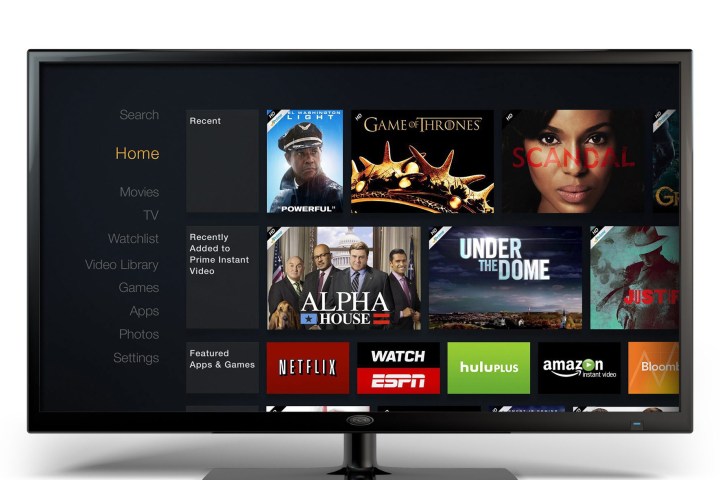
Netflix — in no surprise to many media-savvy families — is now in 36 percent of US households, the Nielsen survey found, as pressure mounts on the $80 billion cable, satellite and telecom pay-TV industry.
The streaming darling also is forcing Madison Avenue to rethink how it allocates the $65 billion it spends on TV ads each year.
What’s more, those dollars are going to be increasingly up for grabs as other video-streaming services, like HBO Now and Sony’s PlayStation Vue, become available.
Nielsen’s survey also found:
- The amount of time US viewers spend watching live TV has plummeted by 20 minutes a day since 2013;
- Homes with subscription streaming services are watching 50 minutes of TV a day more than those without;
- Subscription video services are now in 40.3 percent of households;
- Thirteen percent of homes have multiple subscription video services;
- Using a smartphone app is the third-most popular activity of 18- to 24-year-olds.
 “It’s pretty obvious the consumer loves to stream and people love to stream without commercials,” BTIG analyst Rich Greenfield said after reviewing the survey.
“More people are cutting the cord and living in a broadband-only streaming world and those that [have both streaming and traditional pay-TV] are spending more time streaming.”
We all have our own anecdotes about how our personal lives have changed with the new technologies and services available. Consider how much your personal habits have changed and then think about how difficult it is for advertisers to adapt to those changes. Savvy buyers are looking for the most effective ways to economically target their audience and TV is becoming less and less attractive. The answer is Outdoor Advertising.
As much as our lives are adjusting to new technologies and the plethora of new choices available, one thing remains constant; we are still a mobile community and Outdoor Advertising is the remaining dominate mass media available.
The OAAA Media Behavior Institute reports that 86% of Americans are away from home on a typical day and Outdoor Advertising reaches 80% of consumers on an average day. A 2009 Arbitron National In-Car Study shows that 71% of travelers are billboard viewers, meaning they notice the ad each, most or some of the time they pass a board.
TV is not alone in its decline. The Newspaper Association of America reports print ad dollars are half what they were only 5 years ago. But where media forms like TV and Newspaper are dying, Outdoor continues to thrive. It continues to reach more people, more often, for less money, than any other medium. In remains the medium you can’t turn off, fast forward through, flip to another channel or turn a page. It’s the workhorse that drives reach and frequency of your message and is expected to remain on top for many years to come. Allow us to show you how to incorporate it into your media plan.